Social Support, Inequality, And Their Effects On Mortality Across Macaca Species
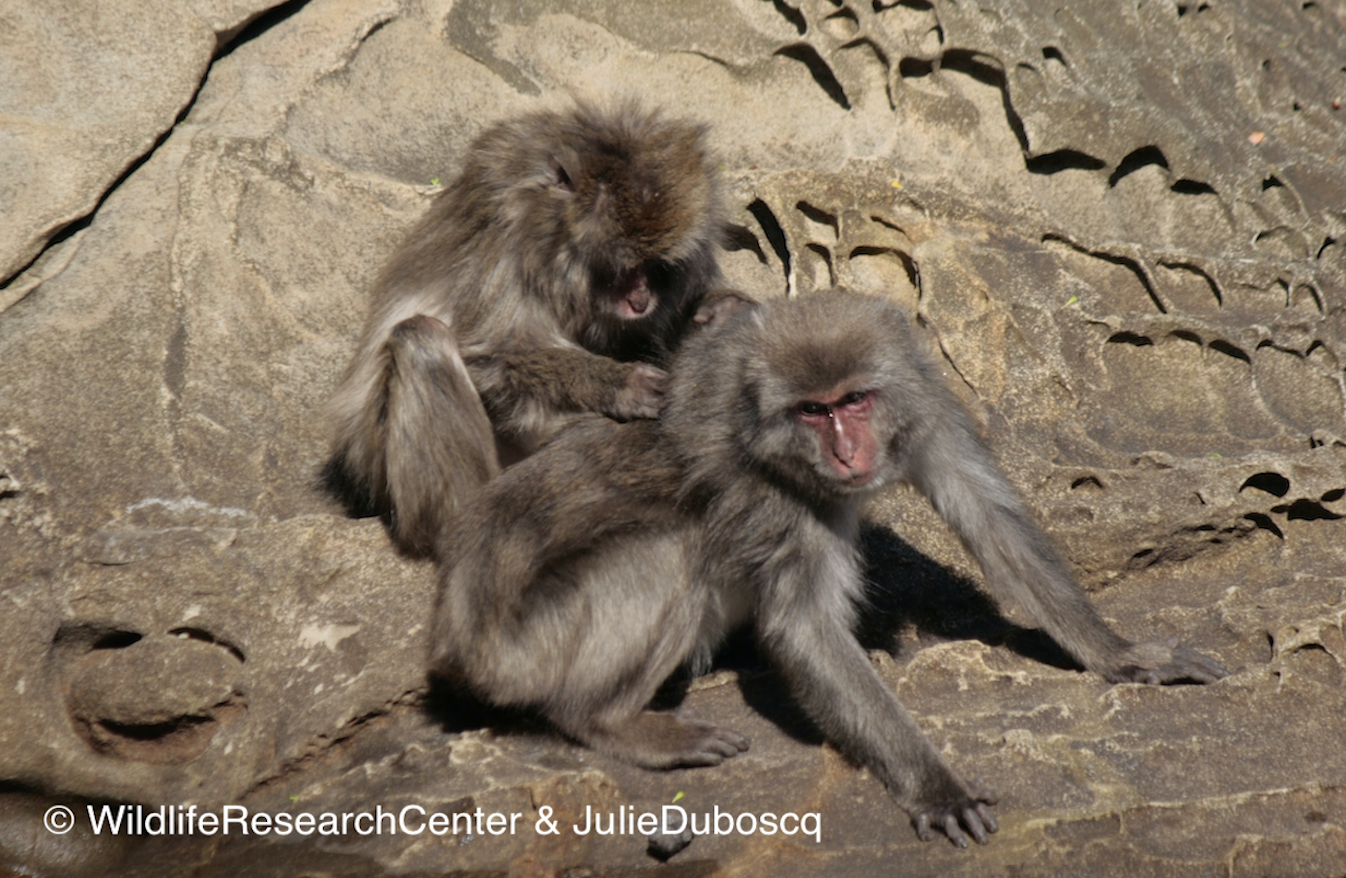
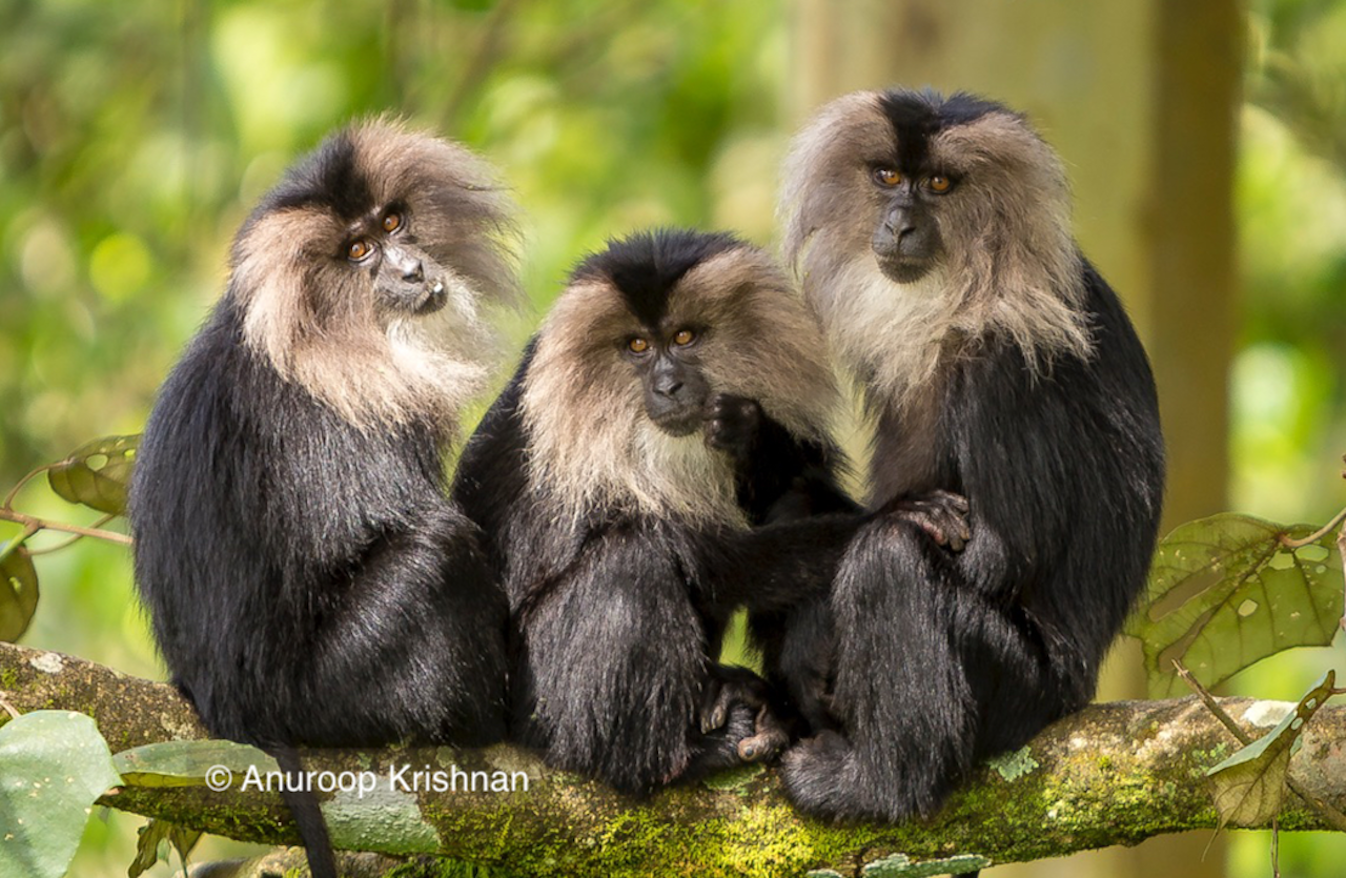
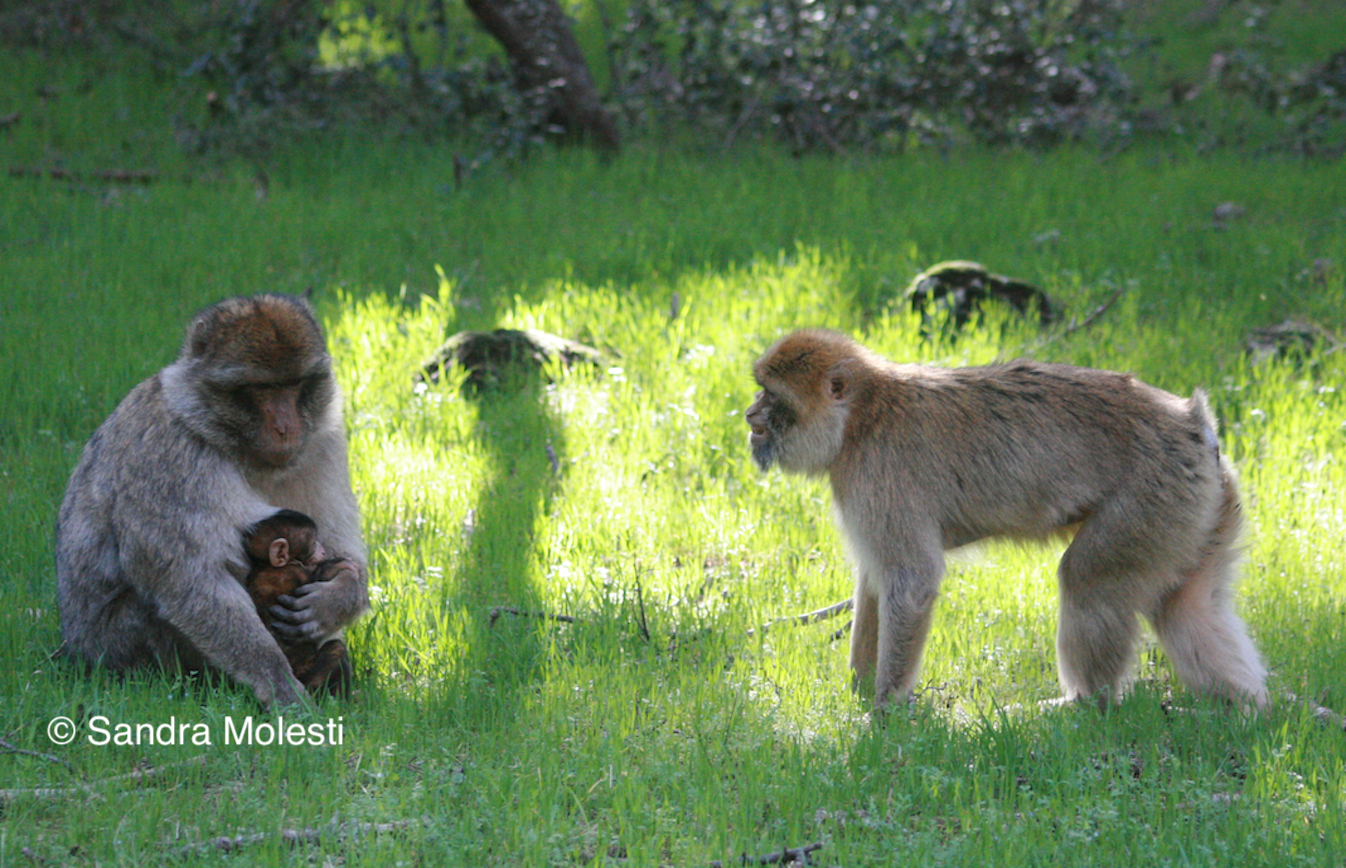
Social connection is a critical aspect of psychosocial wellbeing in both human and nonhuman primates. Individuals with more and higher quality friendships, greater social integration, and more affiliative relationships enjoy improved longevity, physical health, and mental wellbeing. Furthermore, social determinants, such as social rank, are being increasingly understood to predict morbidity and premature mortality. However, most of this work concerns individual-level variation in mortality risk within a population, and the extent to which the social environment influences differences at the population and/or species-level is less well understood. Furthermore, as in humans, female primates often live longer than males, making it highly relevant to consider not only why life history schedules vary across primates, but also why, when, and to what extent they differ between males and females. To answer these questions, we will test whether species-typical levels of social support and social inequality are related to patterns of mortality risk across the lifespan. In addition to investigating interspecific variation, our study will evaluate the drivers of intraspecific differences in sex-biased mortality risk at the population level. These findings will provide key insights into the role of sociality in life-history evolution and will shed light on the evolutionary and ecological forces that have shaped that variation. This proposed project is part of a broader NIH funded project (2024-2029; R01AG087902) which seeks to investigate the factors that drive variation in lifespan across primates.
Meet The Team
Dr Severine Hex
Postdoctoral Research Fellow at the University of Exeter's Center For Research In Animal Behaviour
"I am an ethologist interested in the social tools animals living in complex societies use to navigate the complexities of their social worlds, including multimodal communication, social cognition, and social bonds. Within a society, individuals deploy different social strategies depending on their individual phenotype, parts of which may change across their lifespan, as well as in response to the social and physical environment. By investigating patterns of social behavior at the individual and population level, and identifying dimensions along which different social strategies can be characterized, I seek to determine the ways in which social behaviors are leveraged to solve specific social challenges, and how this influences the evolution of different behavioral and communicative strategies."
Prof. Lauren Brent
Professor at the University of Exeter's Center For Research In Animal Behaviour
"I am primarily interested in the evolution of sociality. My research asks why social relationships evolved and how they are maintained. Within groups, individuals differ in their tendencies to interact with others and in how deeply embedded they are in their social networks. Across group-living species, the patterning of social interactions and the network structures that emerge from those patterns varies. Investigating these differences allows me to determine the mechanisms that drive social relationships, their impact on individual health, aging, life-history, and fitness, and to ultimately draw conclusions about their evolved function."
Dr Sam Ellis
Lecturer at the University of Exeter's Center For Research In Animal Behaviour
"My research focuses on the evolution of social relationships: why do we and other animals form close bonds, or friendships, and why are they so important for our well-being, survival and health? To answer these questions I am taking a comparative approach across macaque species, co-building MacaqueNet, a collaborative dataset bringing all social behaviour data on macaques together. Taking advantage of this unparalleled dataset, I can explicitly test if variation in socio-ecological pressures predicts variation in social structure. Understanding which selective pressures act on within-group sociality brings us one step closer to understand the evolution of social relationships and friendship."
Prof. Noah Snyder-Mackler
Professor at the Center for Evolution & Medicine, Arizona State University
"As an evolutionary biologist, I study the health consequences of environmental variation in humans through a comparative lens. My work integrates evolutionary biology, neuroscience, immunology, geroscience, and anthropology with high-throughput genomics to uncover the mechanisms by which environments shape fitness, including health, reproduction, and survival."
Dr Kenny Chiou
Assistant Professor in the Department of Biology at the University of Alabama at Birmingham
"I am interested in the wide-ranging information encoded in genomes and how it sheds light on health and evolution in primates. My research combines tools and perspectives from evolutionary biology, anthropology, genomics, and geroscience to investigate links between the environment, aging, health, and survival."
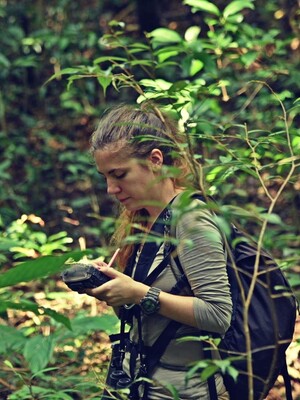
Dr Delphine De Moor
Postdoctoral Researcher at the Department of Primate Behavior and Evolution of the Max Planck Institute for Evolutionary Anthropology
"My research focuses on the evolution of social relationships: why do we and other animals form close bonds, or friendships, and why are they so important for our well-being, survival and health? To answer these questions I am taking a comparative approach across macaque species, co-building MacaqueNet, a collaborative dataset bringing all social behaviour data on macaques together. Taking advantage of this unparalleled dataset, I can explicitly test if variation in socio-ecological pressures predicts variation in social structure. Understanding which selective pressures act on within-group sociality brings us one step closer to understand the evolution of social relationships and friendship."
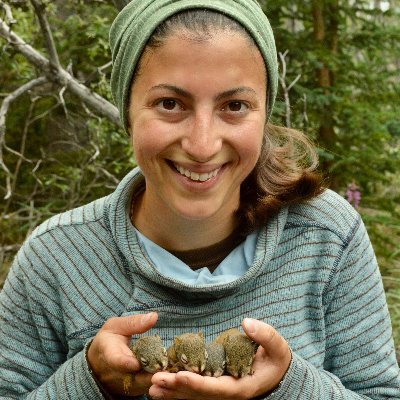
Dr Erin Siracusa
Postdoctoral Research Fellow at the University of Exeter's Center For Research In Animal Behaviour
"I am a behavioural ecologist broadly interested in how social interactions shape the behaviour, fitness, and life history of individuals. My recent research has focused on understanding how social behaviour contributes to our understanding of senescence by exploring the causes and consequences of changes in social behaviour across the adult lifespan. As a research fellow on the FriendOrigins project I will be working on a novel experimental manipulation of competition levels to explore how this affects the formation of social relationships. Using a population of rhesus macaques on Cayo Santiago we will manipulate competition over food to test whether social isolation is driven by competitive exclusion. This experiment will offer unique insight into the features that shape social network structure and the flexibility of social bonds."
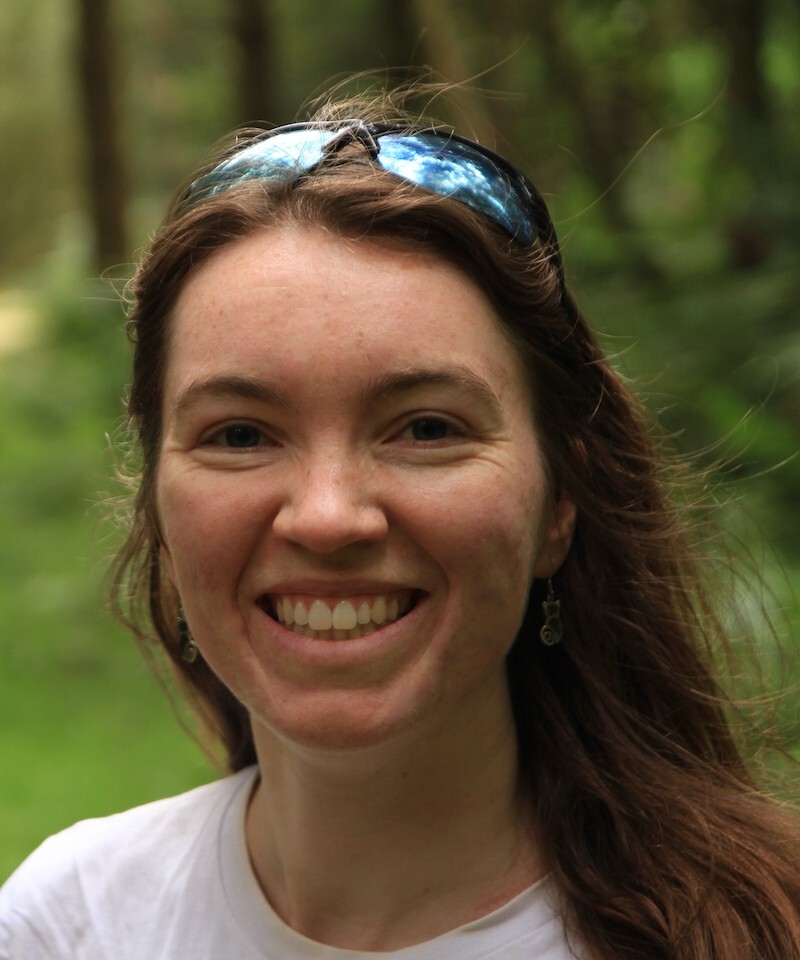
Dr Helen Mylne
Postdoctoral Research Fellow at the University of Exeter's Center For Research In Animal Behaviour
"Primate lifespan is difficult to quantify, especially in the wild, because it requires many individuals being studied from birth right through until death. Many species are completely data deficient, and for those that we do have, lifespan estimates are often unreliable. I am therefore asking: how long do primates really live, and what are the evolutionary causes of primate life history? I am building a large database of primate age structures, and using that to produce survival curves which can be used to create standardised lifespan estimates. These I will then carry forward to an order-wide comparative analysis to identify what causes lifespan in primates. As a behavioural ecologist, I am particularly interested in how the behavioural variation between species may affect lifespan, particularly considering broad-scale social measures such as troop size and group composition."
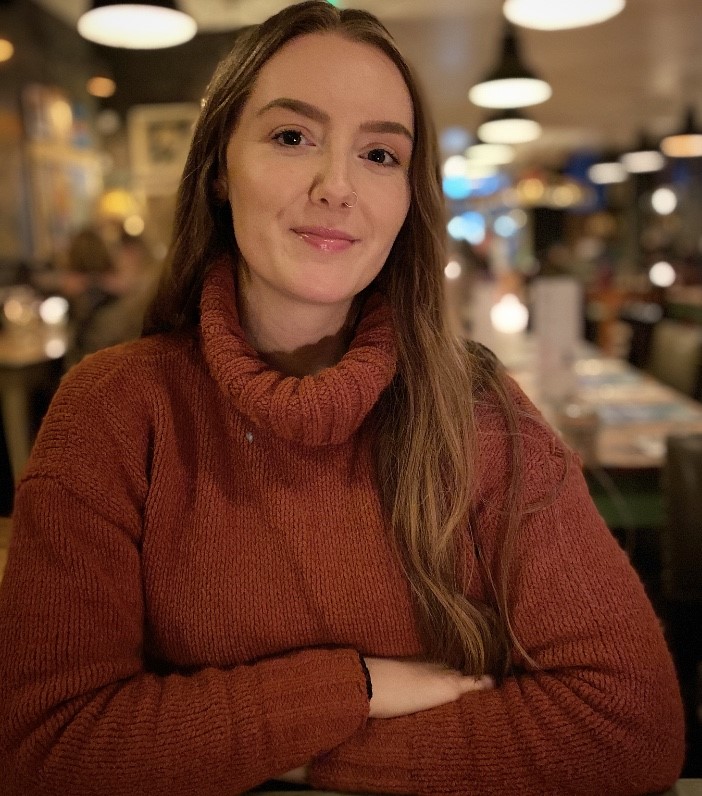
Macaela Skelton
Lab Manager at the University of Exeter's Center For Research In Animal Behaviour
"I support research within Prof. Lauren Brent's FriendOrigins lab group, overseeing data cleaning, dominance rank generation, and database management. I am also the Communications Manager for MacaqueNet, having helped build both the consortium and its database. My research interests focus on how social interactions influence aging, health, and well-being. I am particularly interested in the mechanisms by which animals communicate social information, navigate their social worlds, and how changes in sociability affect fitness outcomes."